Android
2008 → today · Phones
An open-source, Linux-based system for mobile devices.1, 6 The year marks its first phone: the T-Mobile G1, on sale in the US on 22 October 2008.3
- Announced
- 5 November 20071
- First phone
- T-Mobile G1, on sale 22 October 2008 (US)3
- G1 screen
- 3.2-inch touch screen, 320 × 480 pixels4
- Built on
- The Linux kernel6
An open platform for phones
On 5 November 2007, Google, T-Mobile, HTC, Qualcomm, Motorola and others announced Android. Thirty-four companies formed the Open Handset Alliance to build it. Android would be a complete "software stack": an operating system, middleware, a user interface and apps. It would come under an open-source license, so phone makers and mobile operators could customize it.1
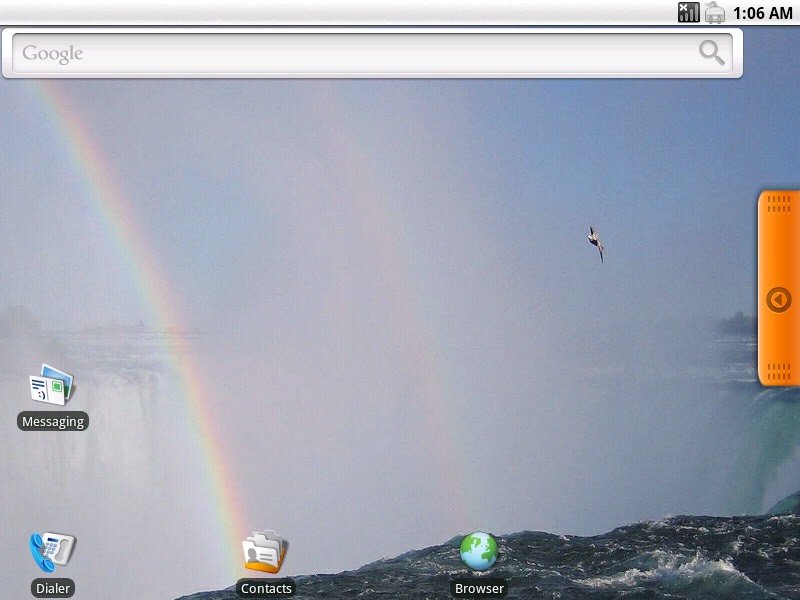
The first Android phone
T-Mobile unveiled the first Android phone, the T-Mobile G1, in September 2008. Its touch screen slid open to reveal a full keyboard, and it had a trackball too.2 The Android 1.0 developer kit came out the same month.5 The G1 went on sale in the US on 22 October for $179 with a two-year contract.2, 3
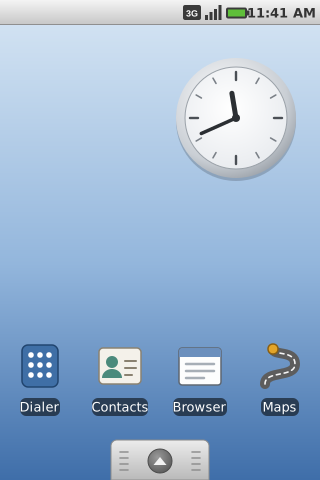
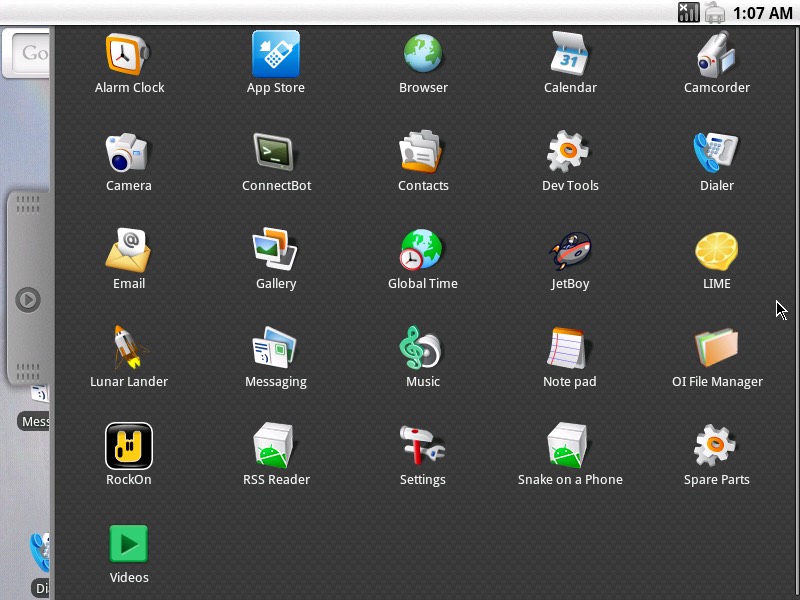
Apps from the Market
The G1 was the first phone with Android Market, where you could download apps from developers around the world.2 On 21 October 2008, the day before the G1 went on sale, Google and its partners released Android's source code.7 As of November 2026, Google's developer pages call Android an open source, Linux-based software stack.6
Key moments
- 2007 On 5 November, 34 companies announce Android and the Open Handset Alliance.1
- 2008 In September, T-Mobile unveils the G1, and Android reaches version 1.0.2, 5
- 2008 On 21 October, Android's source code is released.7
- 2008 On 22 October, the G1 goes on sale in the US.3
- 2009 In September, Android 1.6 comes out. It's the version you can try in our lesson.8